Out Now on Amazon

My Little Taiwan Travel Book

The Spring 2026 Diaries of a Solo Female Traveler.

A raw, unfiltered travel diary detailing the logistics, sweat, and profound beauty of independent travel. From navigating complex mountain permit lotteries to scaling the 3,952-meter summit of Yushan, this is the ultimate narrative guide for independent travelers and hikers.

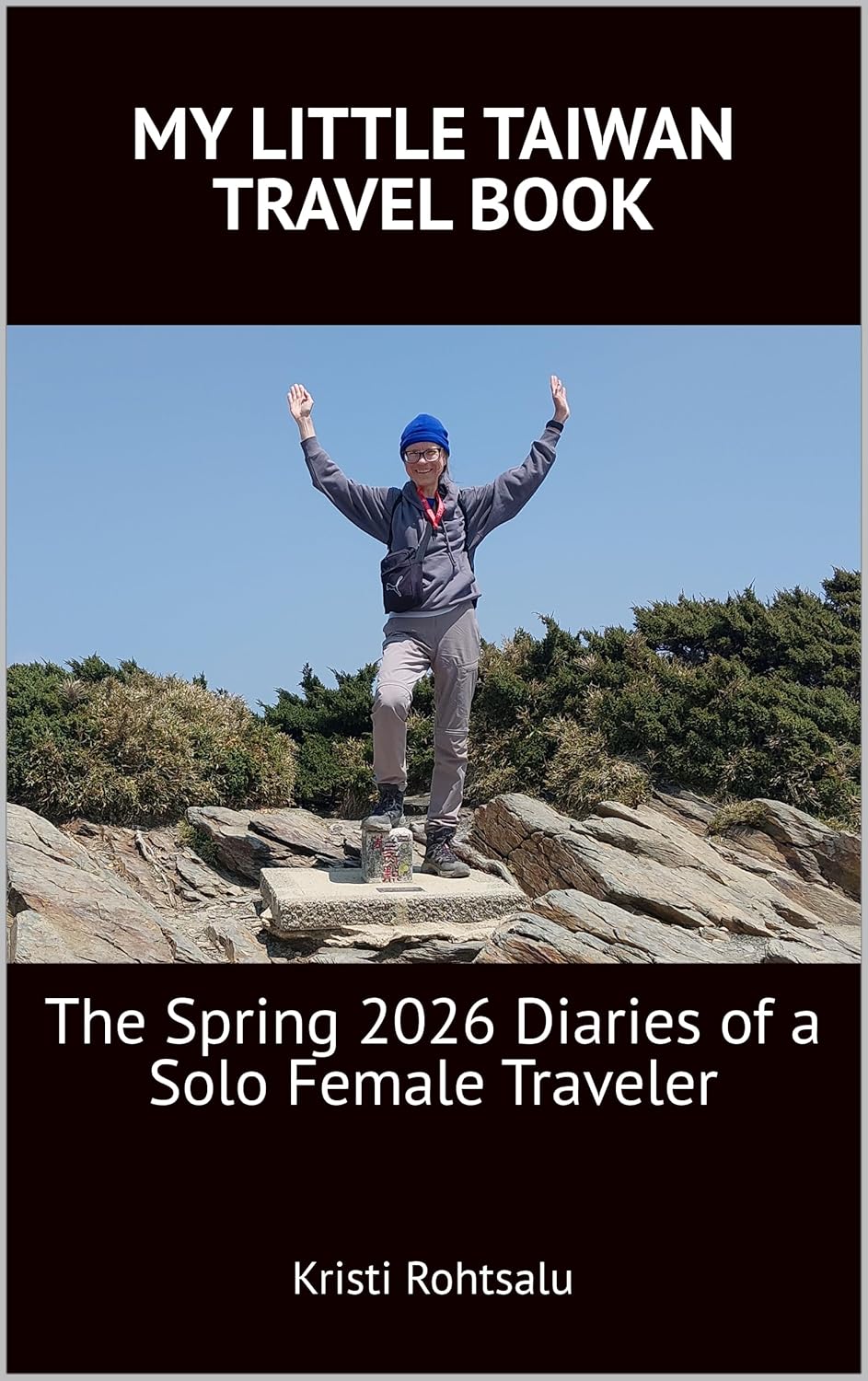
My Little Taiwan Travel Book Cover

Frequently Asked Questions

Everything you need to know before joining the journey.

What is "My Little Taiwan Travel Book" about?
The book is a practical travel diary documenting a spring 2026 solo expedition across Taiwan. It captures the physical and logistical realities of navigating the island, contrasting dense urban environments like Taipei with high-altitude alpine ascents in the Central Mountain Range. Read the book to experience the stark contrasts firsthand — from executing a grueling 28-kilometer urban trek to summiting the 3,952-meter Mt. Jade — all managed with a minimalist 20-to-25-liter backpack weighing under 6 kilograms.
Who is the target audience for this book?
The primary audience consists of independent travelers, hikers, and solo female adventurers planning to visit Taiwan. It serves as a practical narrative for executing complex travel logistics. Dive into the chapters to learn from on-the-ground experiences regarding how to secure elusive mountain permits, manage cash-only rural transactions, and overcome language barriers outside major tourist hubs.
Is Taiwan safe for solo female travelers?
Taiwan is widely recognized as safe for solo travelers regarding violent crime. However, the primary hazards are environmental and practical. Grab a copy of the book to read about real-life encounters with these elements, from navigating unpredictable scooter traffic and dodging thieving macaques on the trails to experiencing a earthquake while resting in a Keelung hotel room.
How difficult is it to climb Yushan (Mt. Jade)?
Climbing Taiwan's highest peak requires navigating a highly competitive permit system and demands physical fitness. The classic route involves hiking to Paiyun Lodge at 3,402 meters, followed by a freezing midnight ascent to the 3,952-meter summit. Explore the second chapter of the book to follow the exact timeline of the expedition, from the anxiety of the permit lottery to the physical toll of a rapid, unacclimatized ascent to the roof of Northeast Asia.

Ready to start the journey?

Order on Amazon
Sneak Peek

Moments from the Trail

Excerpts from the manuscript and visual diaries recorded on the ground.

"

The Ascent to the Roof of Northeast Asia

"The first two kilometers were relatively easy: a steady uphill climb with no technical sections... In the darkness, there were no mountain views, but the sky was perfectly clear and full of stars. Below me, lines of headlamps moved up the trail like fireflies, while faint city or village lights glowed in the distance... Suddenly—and completely unexpectedly—I was standing right in front of the summit marker."

— Chapter 2: The High-Altitude Challenge in Yushan
"

The Pulse of the Earth in Keelung

"I had just settled onto my bed with my laptop when the building began to shudder. It felt exactly as if a very heavy truck had just rumbled right past the house. My phone buzzed with an emergency alert: 'Felt earthquake alert. Keep calm and seek cover nearby...' It was my first real Taiwanese earthquake experience... just enough to give me a taste of the earth moving."

— Chapter 6: From Taroko's Stone Walls to the Bustling Heart of Keelung
Proprietary Process

Writing a Book with AI: The Reality

How messy field notes, GPS data, and native-language voice memos became an English travelogue.

Human memory is unreliable. To capture the pure reality of travel, I document everything: voice notes in Estonian, Suunto GPS watch tracks, and daily vlogs. However, converting that raw, chaotic data into a cohesive English book is time-consuming.

For this Taiwan journey, I wanted to see if Artificial Intelligence could bridge the gap. It wasn't a magic button. I quickly learned that AI struggles with the Estonian language, hallucinating events when background street noise confused audio transcriptions. I also learned that AI tends to flatten experiences — using words like "massive" and "incredible" so often that nothing feels special anymore. My first "ingenious" fully-automated workflow failed miserably by day three.

The Winning Workflow

Instead of asking the AI to write the book for me, I asked it to organize my materials so I could write it better. I used Google's NotebookLM to create a massive, zero-hallucination outline from my raw notes. Then, chapter by chapter, I fed targeted chunks of data to a custom Gemini agent.

It was a dance of constant refinement. AI helped structure the narrative, translate my Estonian thoughts, and format the manuscript. But the final proofreading? The sweat of the climbs? The taste of the salt in Keelung? That had to remain entirely human.

Key Lesson Learned:

"AI naturally compresses information into summaries and loses nuance. Instead of asking it to write from your material, ask it to work on your material while preserving the details."
Kristi Rohtsalu, Author
About the Author

Kristi Rohtsalu

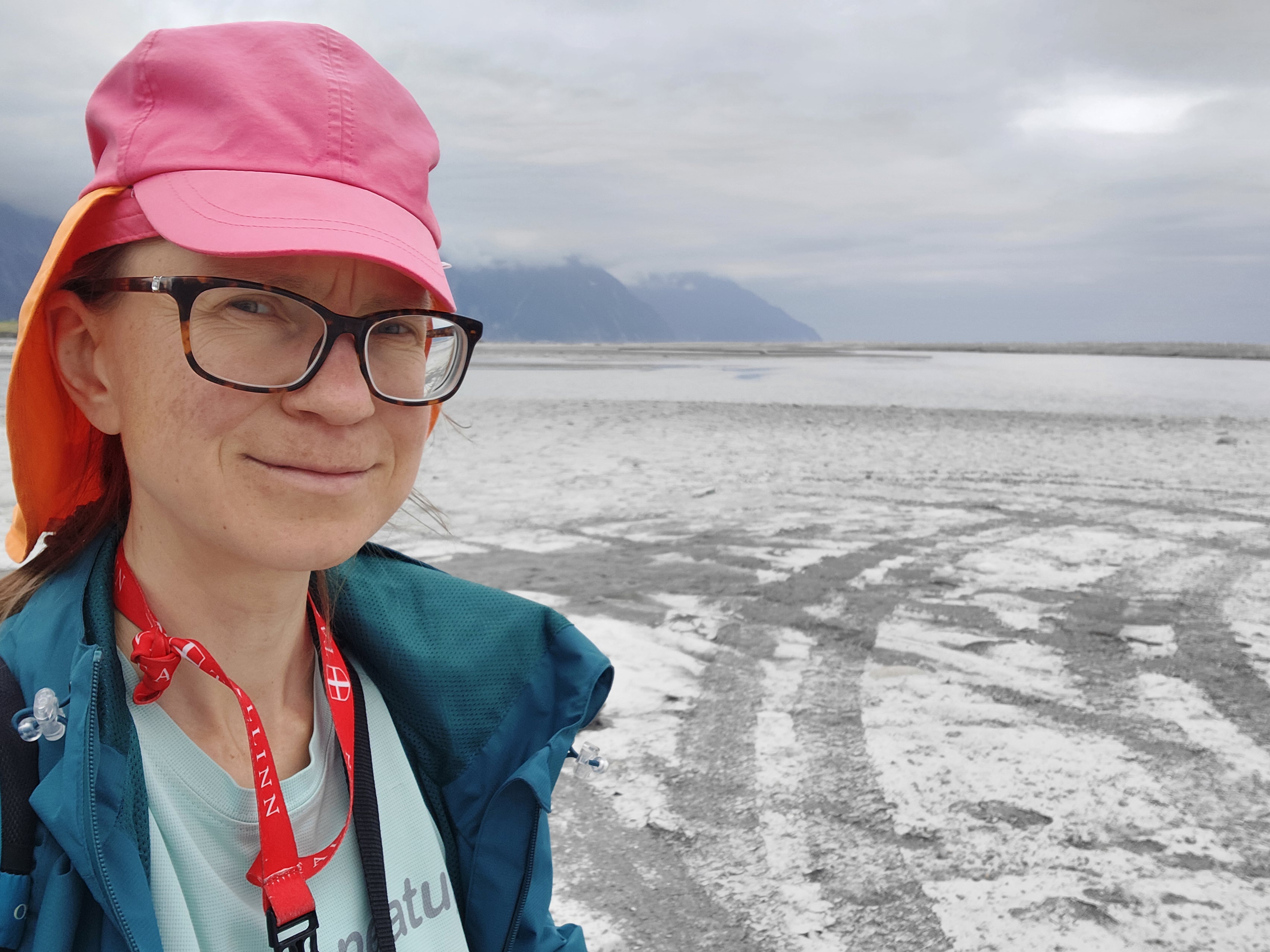
Outside of her work and day-to-day life, Kristi is an independent solo traveler from Estonia who travels, keeps detailed journals, and vlogs simply for the love of it. Describing herself as "a cat that walks by herself," she prefers a meticulously planned style of travel, usually with everything packed into a single 25-liter backpack. Her journeys blend rigorous hiking with deep dives into local geography, history, and culture.

Read Kristi's Blog

Join the Journey

Subscribe for updates on future adventures, new travel books, and behind-the-scenes content. I promise to only send the good stuff — no spam.